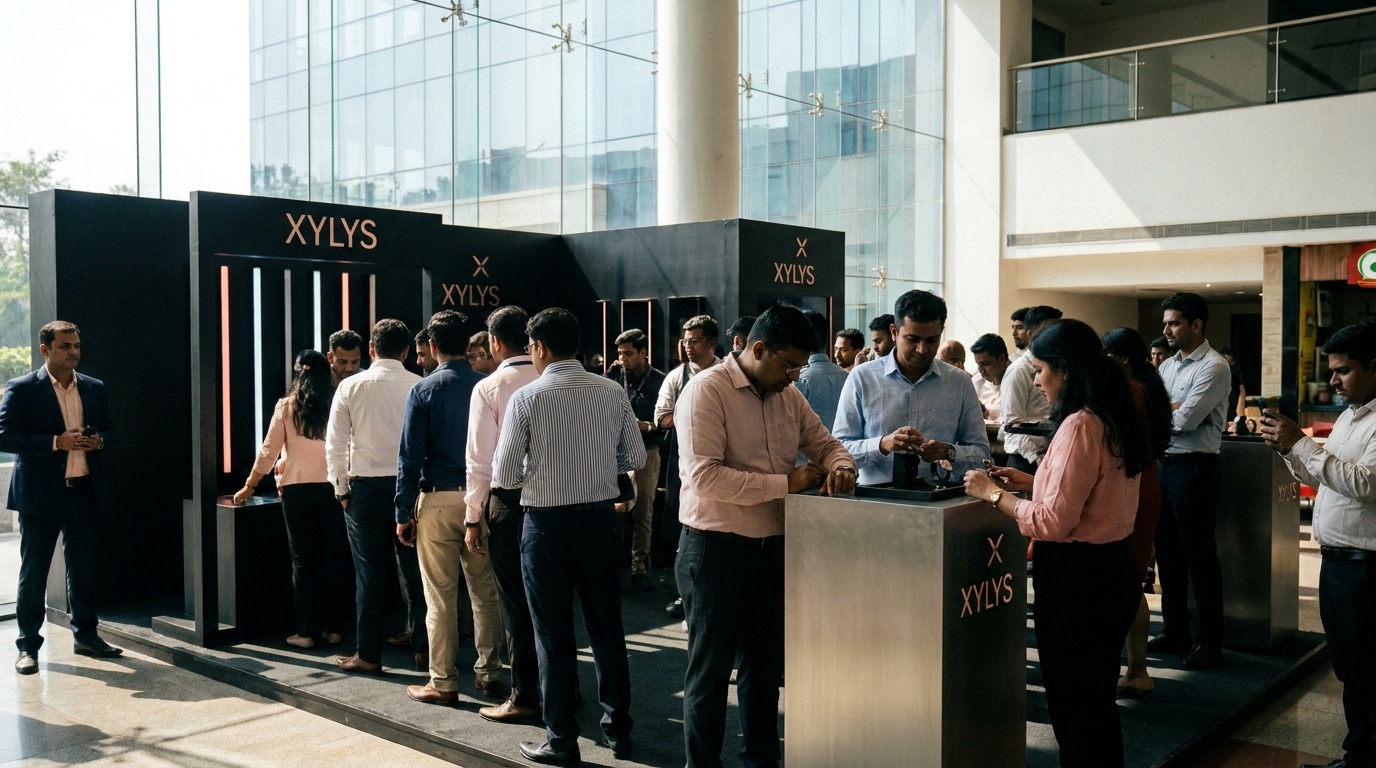
A proposed pop-up programme that takes Xylys to the metro tech parks. It runs from one kit, sells on the day, and captures first-party data we can tie back to revenue.
We handle the parts that make a pop-up work: getting access to the venue, building the set, running the floor, and wiring in the data so the activity is accountable. Here is what we bring to this programme.
We negotiate park and facilities approvals, schedule the calendar, and staff and run each day on the ground.
We design and build the set as a modular kit, then install and strike it the same way in every city.
We capture first-party records on the floor and issue trackable codes, so each interaction can be linked to a sale.
We can bring sponsors and anchor tenants into a programme to share cost and widen access.
Replace the three slots above with our strongest named activations and live links before this goes out.
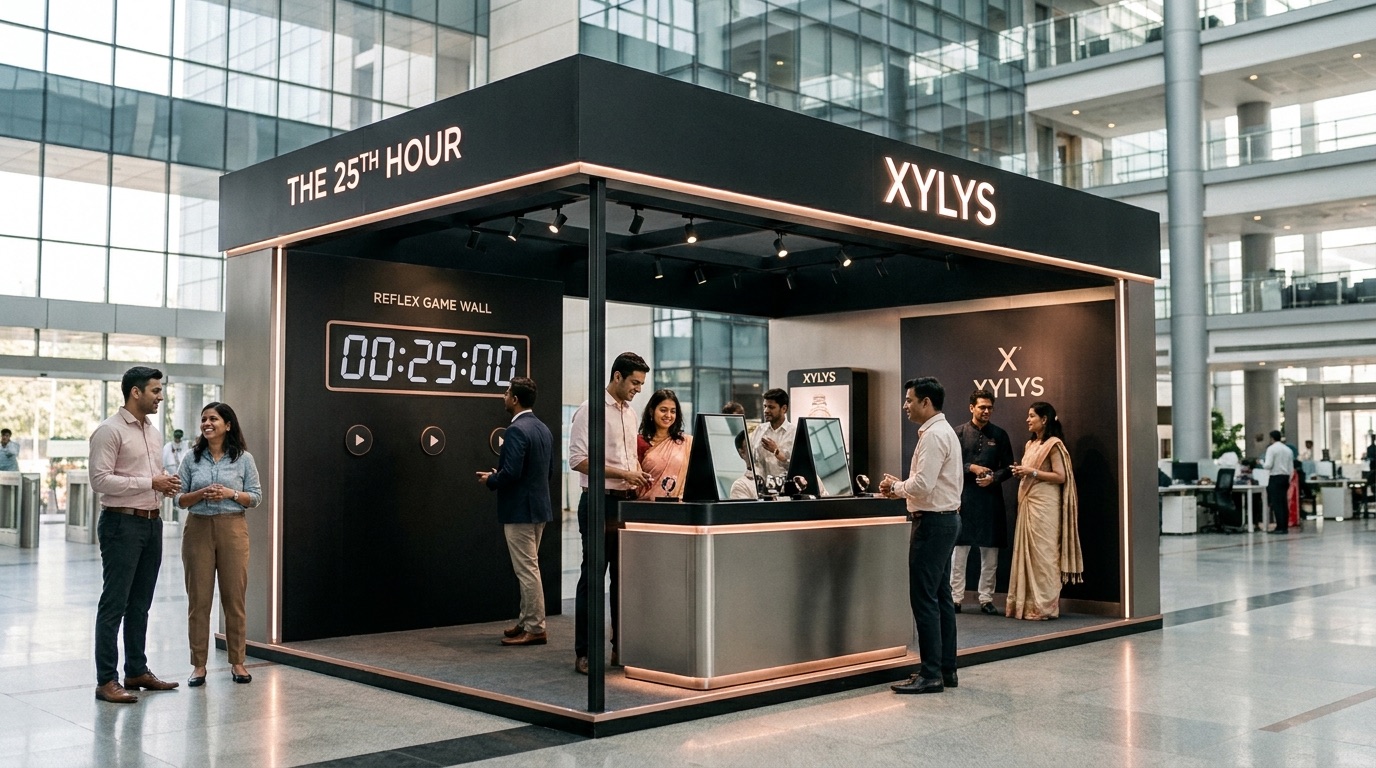
We propose a Xylys 25th Hour lounge set up inside the building at lunch. It is a small, designed space that runs on one idea a watch brand can own: precision. People play, try on, and buy in a single visit.
Each beat does one job and hands the visitor to the next. We have set it out as a single path rather than separate touchpoints.
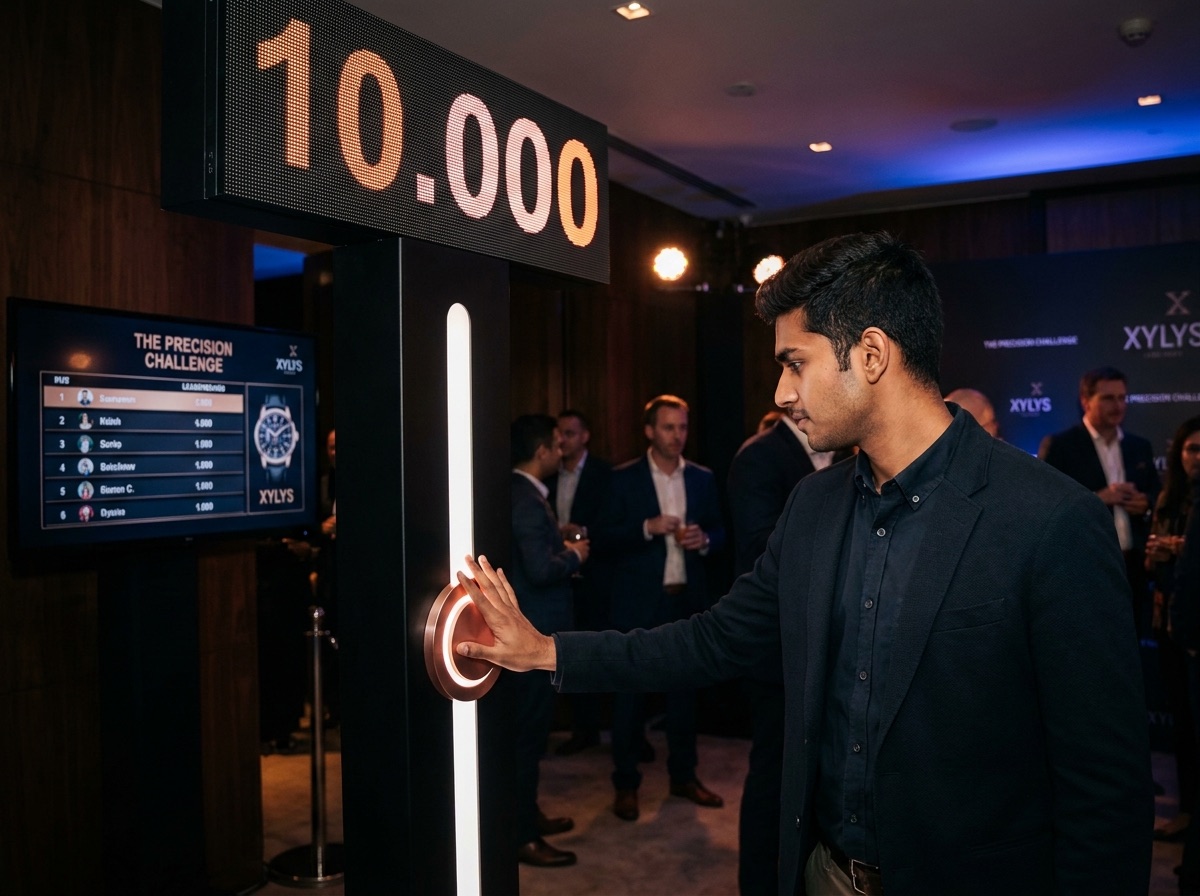
Stop the chronograph at exactly 10.000 seconds. A reflex game on a light-bar wall with a live leaderboard. It fits a chronograph brand and it forms a queue through the lunch rush at low cost.
To claim a score and a reward, the visitor shares name, email and phone on a promoter web app and gets a unique coupon code. Everyone wins something. The headline discount stays rare.
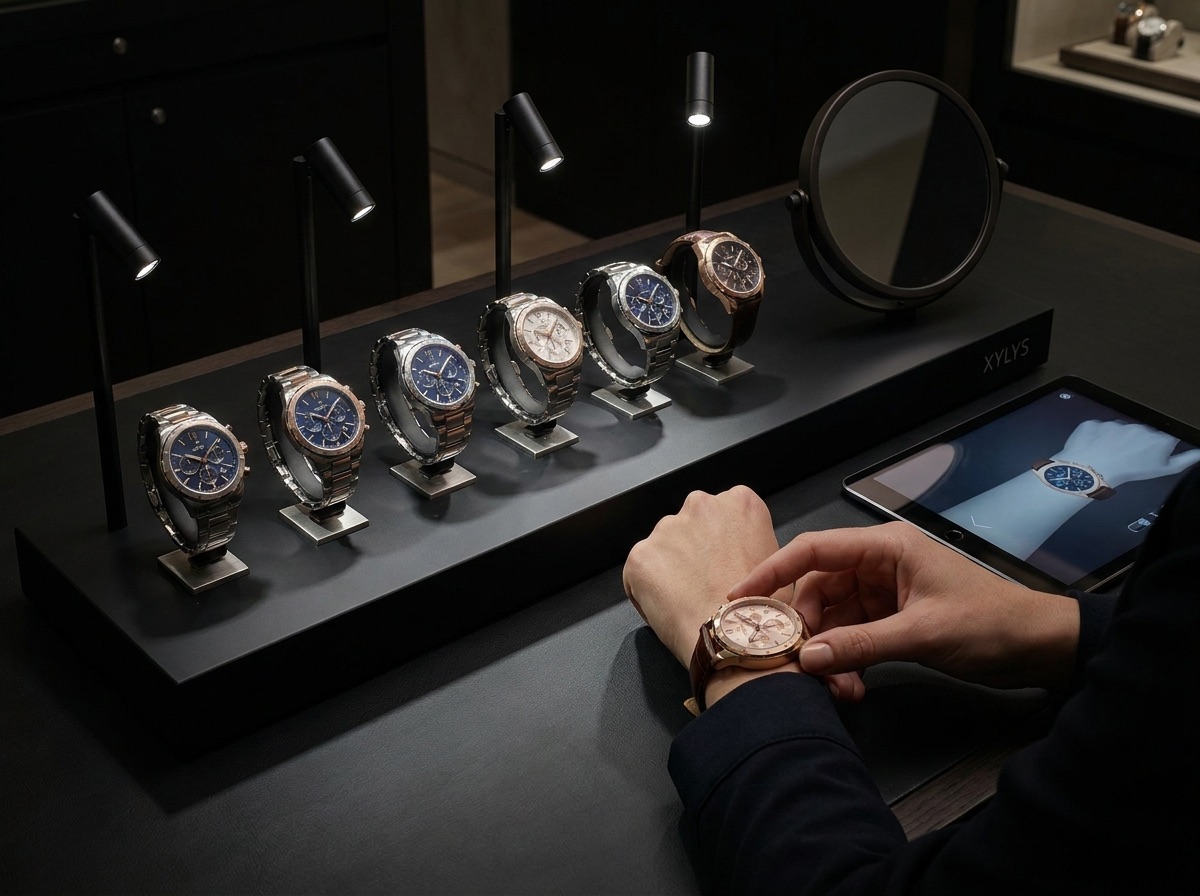
Six to eight hero pieces on a clean plinth, plus a tablet that places any catalogue model on the wrist. The full range is present with no inventory on site. "Email me this look" adds to the data.
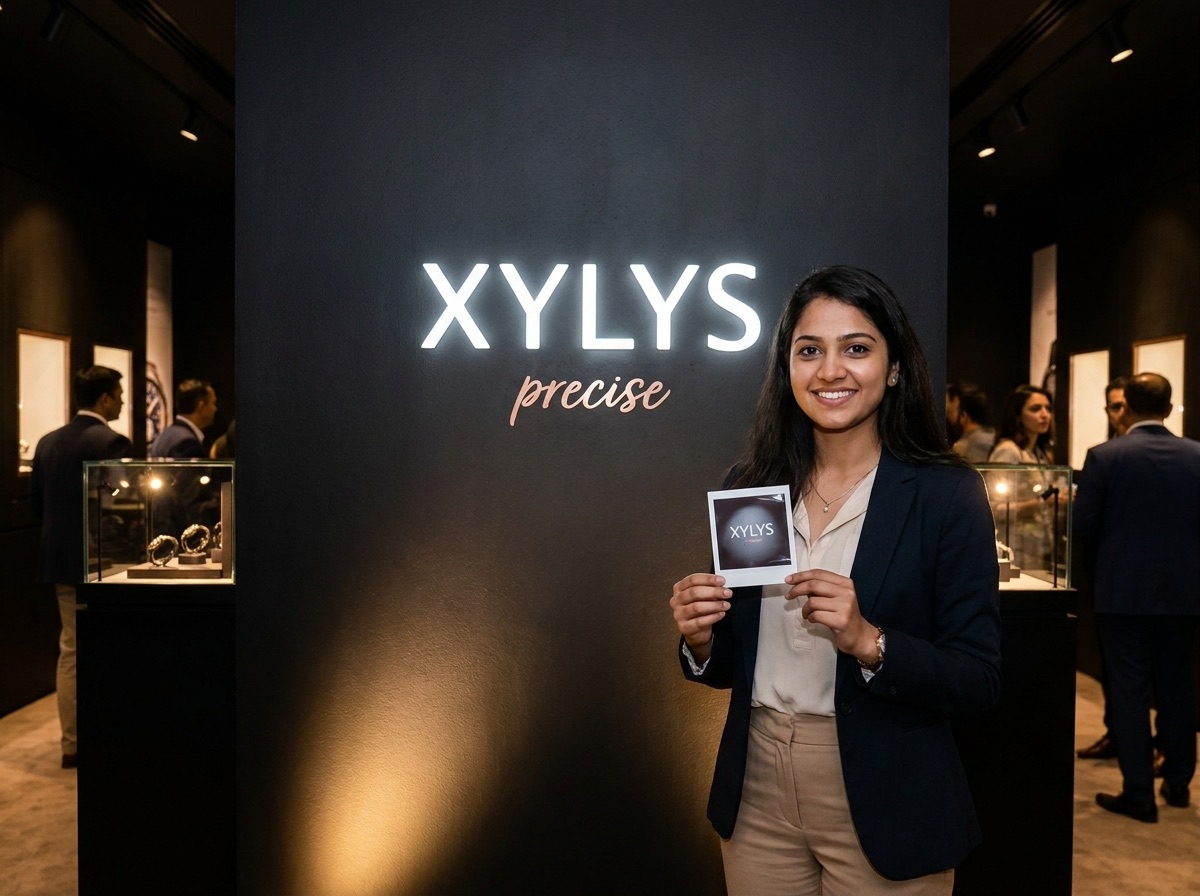
Pick one word, Relentless, Audacious, Precise or Different, and take home a branded photo plus a digital copy on WhatsApp. It is about the person, so it gets shared and it sits on the desk for weeks.
A locked, transparent case holds the day's hero piece at its best price, opened only on completing the flow. The Titan store team closes the sale on the spot, with free engraving as the finishing touch.

The reflex game that pulls the lunch crowd and sets the theme.

Hero pieces and the AR mirror, where interest turns into a decision.

The keepsake that locks the email and keeps the brand in view.
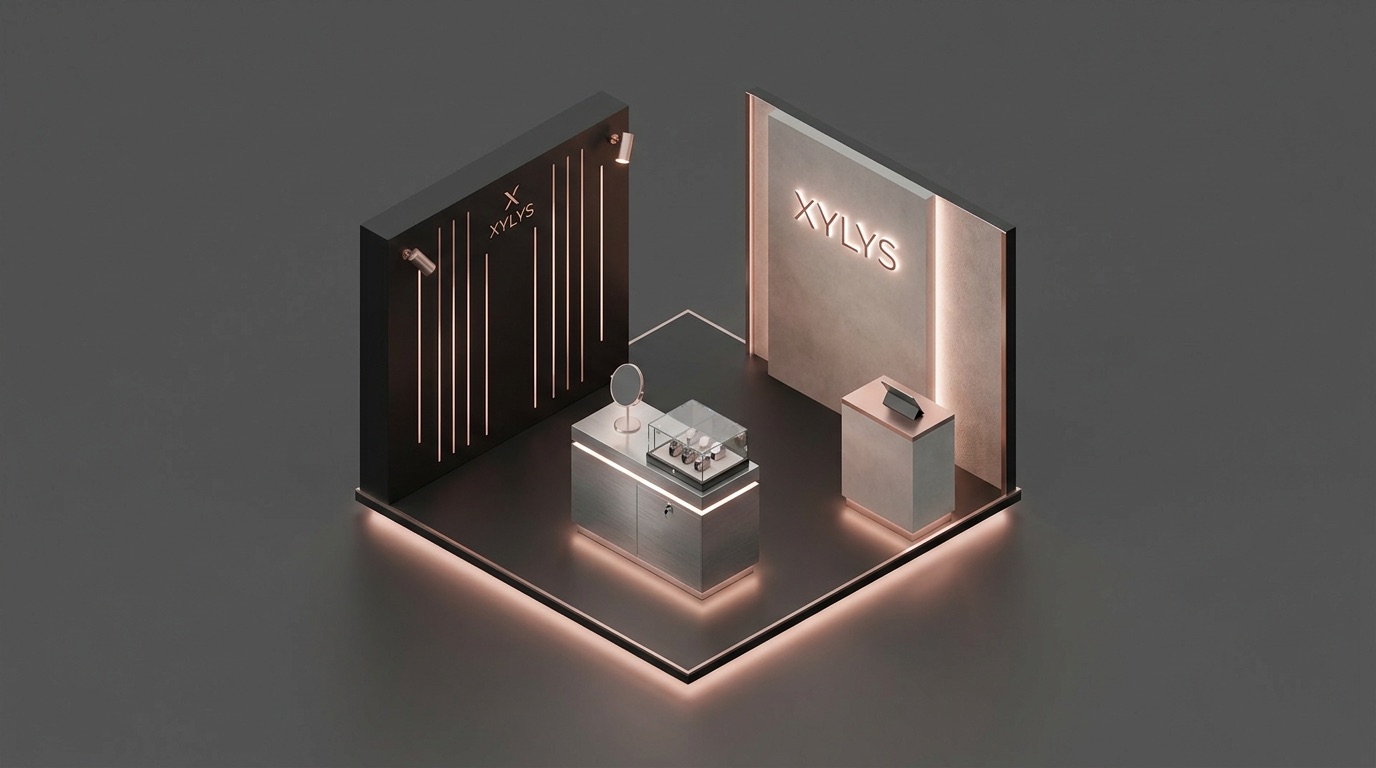
The footprint is about four metres by four metres and sits in a food court or atrium. Three zones share one base, set so the path runs from the game to the sale without doubling back.
The light-bar game and leaderboard. Set on the open side so the queue is visible to passers-by.
Hero pieces, the AR mirror and the locked discount case, with the store team and billing at the centre.
The branded backdrop and the promoter app. Where the record is captured and the keepsake is printed.
Numbered 1 to 5 on the plan: game, data gate, try-on, photo, then the Vault and the sale.


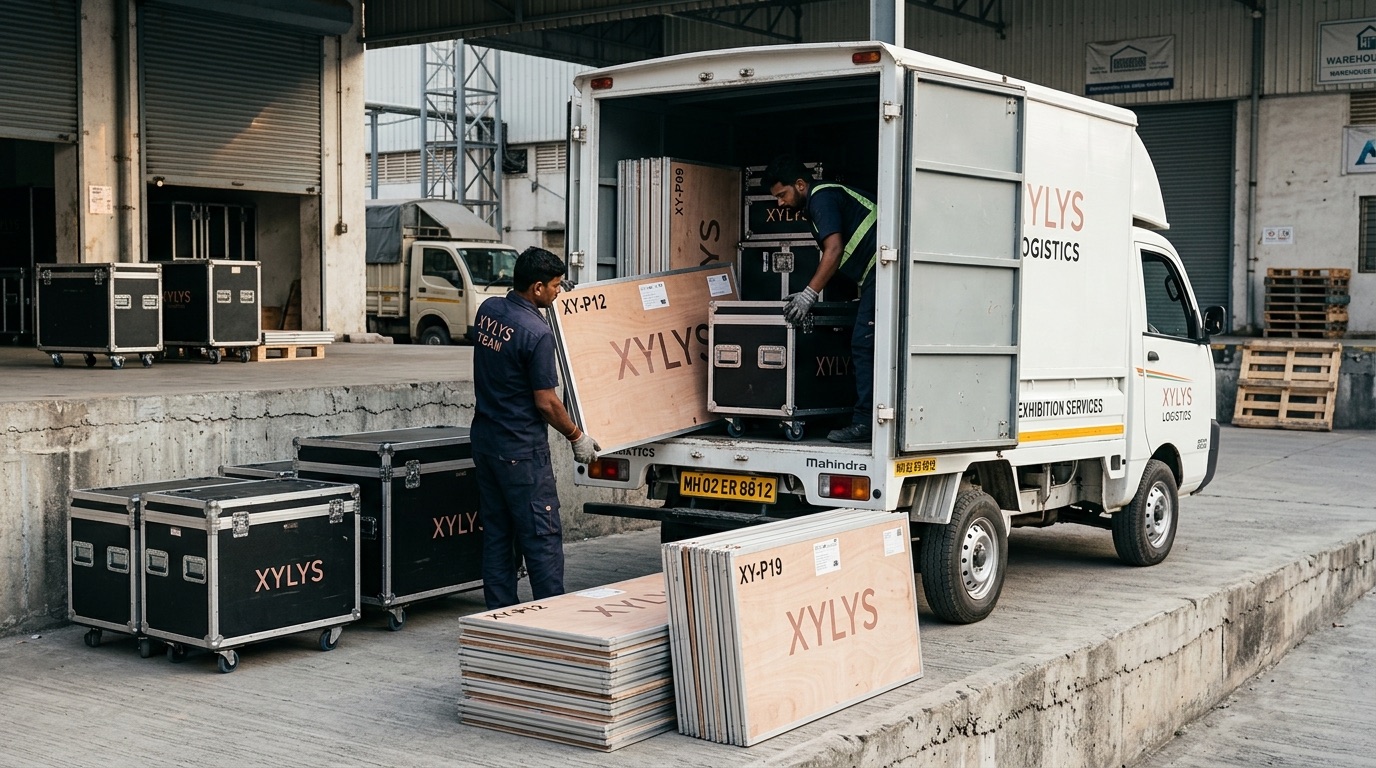
Every part is built to a road case or a numbered flat panel. The kit loads into a single tempo, and the same two or three crew rebuild it the same way in each city.

Cases wheel from the vehicle to the spot. Lay the base and drop the three zone frames into place.
Clip the panels to the frames, fit the printed skins, mount the screens and tablets, power on.
Set the watches and the Vault piece, load film and merch, brief the team, open for lunch.
We read reach two ways: the daily on-campus workforce, and the number realistically passing a central food court in the lunch peak. Figures are sourced where measured and modelled where not, with the basis shown below.
| Park | Major tenants | Daily workforce | Lunch reach | Fit | Phase |
|---|
Basis: Embassy REIT and DLF portfolio data, public market reports and venue footfall analyses. Cyber Hub in Gurgaon is the one measured node at 1.5 to 2 lakh a day, about 3 lakh on weekends. Other lunch-reach figures are modelled at 15 to 25 percent of the workforce passing a central node in the peak. Single-developer parks approve fastest, in roughly 3 to 6 weeks. An anchor-tenant employee-perk co-brand can turn a paid slot into a subsidised one.
A working model at a site with about 12,000 lunch-reachable over a three-hour peak. The assumptions are stated under each figure so they can be checked and adjusted. Online redemptions come on top.
This is the part we own that makes a pop-up accountable, and it is what keeps the audience useful after the kit packs up.
Name, email and phone collected on the promoter app at the data gate, with consent.
Each visitor gets a one-time code, tagged by city and date, redeemable in store or on the D2C site.
Each online order traces back to a specific park and day, so footfall maps to sales.
The captured base feeds retargeting and the pre-launch for the next city.
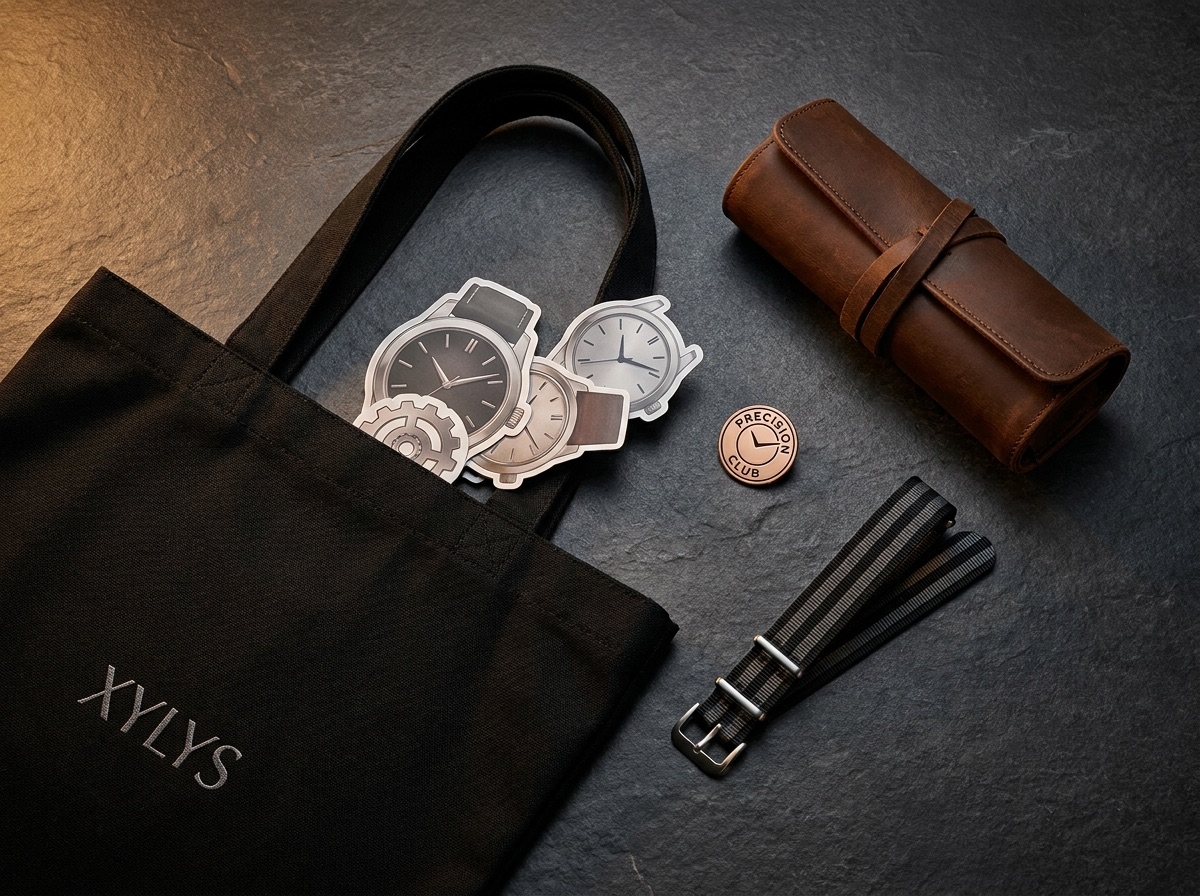
Small, well-made objects pull the crowd and keep the brand in view on a laptop or a bag after the day. People pick one of four words or colourways, so it feels like theirs.
Given to anyone who shares their details. The lowest-cost crowd-pullers.
Unlocked by a game win or a purchase. Useful and tied to the category.
A canvas tote carrying the campaign line. A piece people actually use.
The first activation is small and low-risk, with attribution built in from day one. Once the kit and the numbers hold up, we run three to four a month across cities.
We handle access, production and the floor. Titan brings stock, collaterals and the store team. The next step is one pilot site and a costed plan.